 If you or someone you know has a milk allergy, you know how uncomfortable and dangerous it can be. Milk allergy symptoms differ for people, but it can cause abdominal cramps, vomiting, itching, tingling of lips or mouth, hives, and wheezing among other symptoms. It can be a life-threatening situation if not managed properly.
Milk Allergy or Lactose Intolerance
Mayo Clinic described a milk allergy as “an abnormal response by the body’s immune system to milk and products containing milk. It’s one of the most common food allergies in children. Cow’s milk is the usual cause of milk allergy, but milk from sheep, goats, buffalo and other mammals also can cause a reaction.” A reaction can be life-threatening.
The American College of Allergy, Asthma, & Immunology (ACAAI) explains that milk allergy and lactose intolerance are not the same thing. Lactose intolerance doesn’t involve the immune system, but it does result in very uncomfortable symptoms such as bloating, diarrhea, and lots of stomach discomfort.
There are two main proteins in cow’s milk that can cause an allergic reaction:
- Casein, found in the solid part (curd) of milk that curdles
- Whey, found in the liquid part of milk that remains after milk curdles
You could be allergic to one or both. And some people are also allergic to soy milk although it is not common.
Foods to Avoid
According to the Mayo Clinic, sources of milk to be avoided if you have an allergy include, but are not limited to:
- Whole milk, low-fat milk, skim milk, buttermilk
- Butter
- Ice cream or gelato
- Cheese (all kinds)
- Half-and-half
- Protein powders
- Chocolate or caramel candies
- Artificial butter flavorings
- Anything with “lact” in the name (examples: lactose, lactate)
Other foods to avoid include:
- Cream
- Cottage cheese
- Cheese sauces
- Sour cream
- Custard and pudding
- Yogurt

Sometimes foods contain milk without being obvious so before consuming anything, check ingredients. For example, some people also have to avoid:
- Baked goods (cakes, cookies, crackers)
- Pancake, muffins, and other mixes
- Margarine
- Salad dressings
- Sherbet
- Coffee creamers
- Canned and processed meats (deli meats, cold cuts)
It’s important to see an allergist for a diagnosis, treatment, and recommendations.
Diagnosis and Prevention
Since milk allergy like many other allergies can cause anaphylaxis which is life-threatening, it’s critical to see a doctor for any symptoms of potential allergies. A medical history, skin test, and blood test may be conducted. These tests help your doctor diagnosis your condition.
The only way to prevent an allergic reaction is to avoid milk and milk proteins.
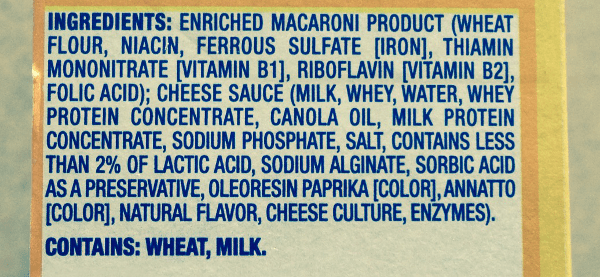
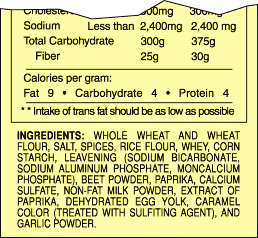
Become familiar with products containing milk which is essential for your health. Read food labels carefully. Look for casein which can be found in unexpected places, including some canned tuna, sausage or nondairy products. Casein can be in many other foods and products that contain milk or milk powder, such as crackers and cookies. This makes casein one of the most difficult allergens to identify and avoid. Label reading is extremely important.
The ACAAI points out that milk is one of eight (8) allergens with specific labeling requirements under the Food Allergen Labeling and Consumer Protection Act of 2004. That law requires manufacturers of packaged food products sold in the U.S. and containing milk as an ingredient to include the presence of milk or milk products, in clear language, on the ingredient label. This helps consumers assess what’s included in products, making them safer.
 HALLMARK HOME HEALTH CARE