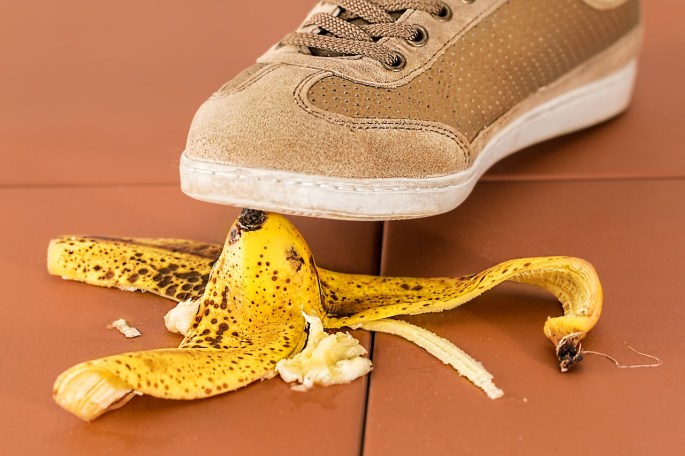
 One out of three seniors will fall this year, but fewer than half of them will talk with their doctors about it, according to the Centers for Disease Control and Prevention (CDC). Falls are the leading cause of injury and ‘death by injury’ in adults over the age of 65 years according to studies by CDC.
If you or someone you care about has concerns about slips and falls, it’s important to take as many precautions as possible to be safe.
Consider some of these tips to make your home safer:
- Make sure loose rugs are secured to the floor – use double-faced tape, tacks, or slip-resistant backing on rugs. Area rugs, including bathroom rugs, can be a hazard! You may want to remove area rugs if they are not needed.
- Wearing comfortable, sensible shoes is extremely important – they help avoid falls on wood and other types of flooring. They also help keep feet heathier and warmer! Good quality shoes improve ability to walk indoors.
- Hardwood floors can also be slippery. Be sure not to clean with anything that leaves them slippery. Use caution when walking on wood floors by wearing suitable shoes or non-slip socks and slippers.
- Remove all unnecessary papers, books, magazines and other things from walkways and tables.
- Keep the most used traffic areas free of unnecessary clutter and furniture like stools, coffee tables, and chairs.
- Make sure rooms are well-lit.
- Make sure stairwells have good lighting and handrails on both sides. For wooden stairs, non-slip treads or non-slip tape for stairs is a good idea.
- Use rubber mats and nonslip items in the bathroom wherever possible.
- Also in the bathroom, install handicap handrails, grab bars, or other low-cost items to provide added protection and ease of moving around.
- If there are children in the home, make sure all toys are picked up and out of the walk area.
- Clean up spills and food from the floor immediately to avoid sticky residue and fall risks.
- Consider a cane or walker if needed – talk with your home health nurse or doctor about options for medical equipment.
AARP offers a free caregiving checklist for Preventing Falls.
You can also download the CDC checklist to assess any fall risks. Click here for the form: CDC Fall Prevention Checklist.

If you currently have home health services, your home health nurse will also assess for any hazards in the home. Your CNA will help with bathing and can help identify high fall risk situations and make changes to reduce risks of falls. Be sure and talk with your home health nurse about any concerns related to your care or the care of a loved one.
Fall prevention is one of the best ways to stay healthy and safe in the home. It just takes a little time to identify and eliminate hazards and it’s definitely worth it.
 HALLMARK HOME HEALTH CARE